
Southern Xinjiang Group Tour Latest Price List, Hotan Museum Tuancheng 8 Day In Depth Cultural Tour Recommended Itinerary Price
Icon at start✨【Southern Xinjiang Cultural Exploration: Hetian Museum and Tuancheng 8-Day In-Depth Tour Full Guide】✨
Southern Xinjiang, a land embraced by the Taklamakan Desert and the Kunlun Mountains, carries the memory of a thousand years of Western Regions civilization. In 2026, in-depth cultural tours centered on Hetian have become a new choice for travelers exploring Southern Xinjiang. This article will take you into the Hetian Museum, Tuancheng, and surrounding hidden treasures, combining recent itinerary design and cost explanations to begin a cultural journey through time and space.
I. Detailed Route or Destination Introduction: A Symphony of History and Modernity
【Hetian Museum】—An “Encyclopedia” of Western Regions Civilization
As one of the larger prefecture-level museums in Xinjiang, the Hetian Museum houses over 9,000 cultural relics, covering stone tools, jade, pottery, silk, and folk artifacts of various ethnic groups. The permanent exhibition “Hetian Historical and Cultural Display,” upgraded in 2026, systematically presents Hetian’s history from the Paleolithic Age to modern times under three major themes: “Jade Soul and National Lifeline,” “Silk Road Crossroads,” and “Civilization Blending.” The museum’s treasured “Hetian Jade Cutting Tools” reveal the wisdom of ancient jade-carving craftsmanship, while the “Five Stars Rise in the East, Benefiting China” brocade arm guard (replica) unearthed from the Niya ruins witnesses the close ties between the Central Plains and the Western Regions during the Han and Jin dynasties.
【Hetian Tuancheng】—A “Living Museum” of Colorful Residences
Tuancheng gets its name because the streets are laid out like round dough balls, and it is a typical representative of the traditional “Ayiwang” residences of Southern Xinjiang. In 2026, protective renovation here has been completed. The earth-yellow houses on both sides of the alleys have been painted in vivid colors such as blue, green, and pink. Each household’s door lintel is carved with traditional patterns of various ethnic groups, and windowsills are filled with geraniums and figs. Visitors can stroll along the Artisan Street, watch intangible cultural heritage skills such as copperware making and Etles silk tie-dyeing, or order a pot of rose tea at a century-old teahouse, listen to local elders play the rawap, and feel the lively atmosphere of everyday life.
【Surrounding Hidden Treasures: A Civilizational Dialogue from Desert to Snow Mountains】
Yotkan Ancient City: An architectural complex restoring the ancient Yutian Kingdom under the theme of “Sand Sea Glazed Glass,” with daily light shows of “Music of Ten Thousand Directions,” recreating historical scenes such as Xuanzang preaching and Yutian music and dance through holographic projection technology.
Damagou Buddhist Temple Ruins: The world’s smallest ancient Buddhist temple (recommended 4 square meters). The unearthed clay Buddha statues and mural fragments confirm Hetian’s historical status as a transfer station for the eastward spread of Buddhism.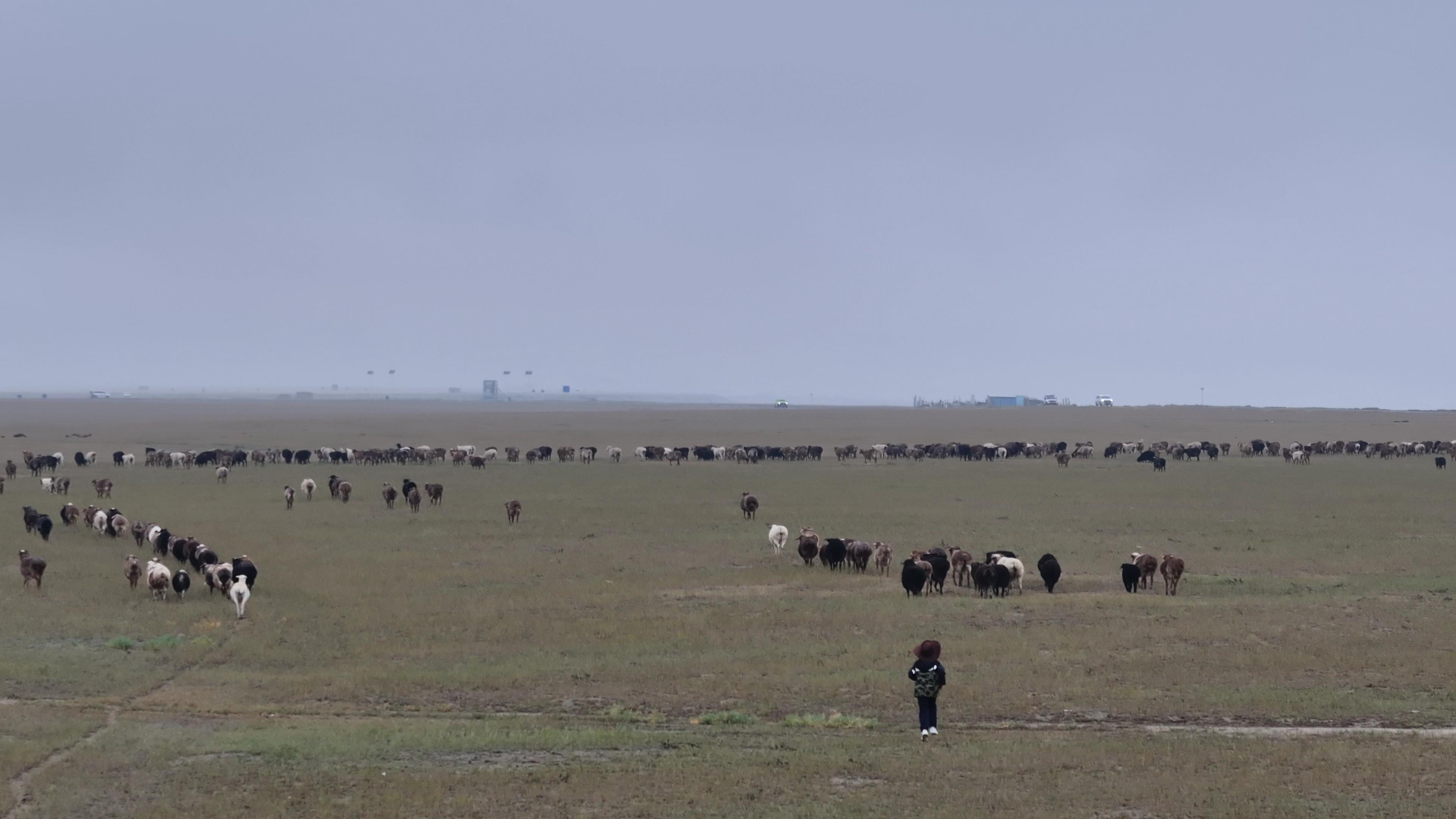
Icon at start✨【Southern Xinjiang Cultural Exploration: Hetian Museum and Tuancheng 8-Day In-Depth Tour Full Guide】✨Yulong Bay Desert Park: Integrating desert off-roading, camel riding, and sand sliding, visitors can experience “searching for jade in the gobi” in the area and feel the primitive charm of Hetian jade culture.
II. Simple Itinerary: 8-Day Cultural Immersion Journey
【Day1: Various Places—Hetian】
Arrive in Hetian in the afternoon, check into a city hotel, and free activity recommendations:
Visit the Hetian Museum (open 10:00-19:00, closed on Mondays), focusing on the “Jade Soul and National Lifeline” exhibition hall.
Night tour of the Hetian Night Market, tasting specialties such as roasted buns, rose jam roasted naan, and roasted pigeon.
【Day2: Hetian In-Depth Culture Day】
Morning: Explore Tuancheng residences, visit the Etles silk handicraft workshop, and experience the tie-dyeing craft.
Afternoon: Yotkan Ancient City (ticket 128 yuan, advance reservation required), watch the 16:00 light show.
Evening: Free photography in the alleys of Tuancheng, capturing the night view of colorful residences interwoven with lights.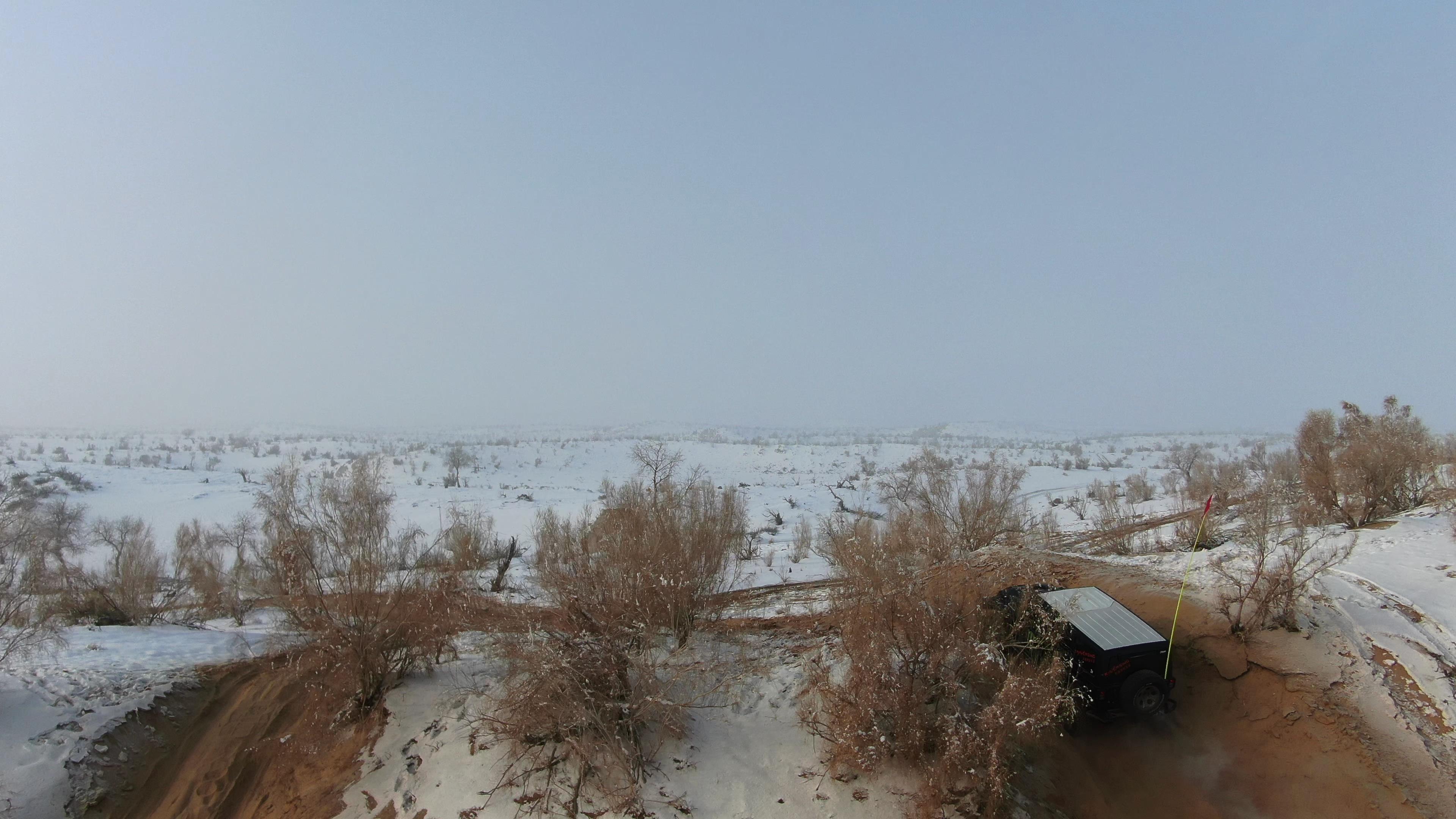
Southern Xinjiang, a land embraced by the Taklamakan Desert and the Kunlun Mountains, carries the memory of a thousand years of Western Regions civilization. In 2026, in-depth cultural tours centered on Hetian have become a new choice for travelers exploring Southern Xinjiang. This article will take you into the Hetian Museum, Tuancheng, and surrounding hidden treasures, combining recent itinerary design and cost explanations to begin a cultural journey through time and space.【Day3: Hetian—Damagou—Minfeng】
Morning: Drive 2 hours to the Damagou Buddhist Temple Ruins (ticket 30 yuan), visit the world’s smallest Buddhist temple and the Buddhist art exhibition hall.
Afternoon: Cross the Taklamakan Desert Highway, stopping at Tazhong Town to photograph the desert hinterland landscape.
Evening: Check into a hotel in Minfeng County, taste desert grilled fish and Kumaiqi (desert pit-baked flatbread).
【Day4: Minfeng—Aral】
Morning: Visit the 359th Brigade Memorial Hall to learn about the history of garrison reclamation and border defense.
Afternoon: Cross the desert highway to Aral, passing the 139 Populus Euphratica Secret Road (autumn only), photographing naturally growing populus euphratica forests.
Evening: Check into an Aral hotel, freely purchase specialties such as dates and walnuts.
【Day5: Aral—Aksu】
Morning: Tour Wensu Grand Canyon (ticket 40 yuan), hike for 2 hours to explore red rock cliffs and yardang landforms.
Afternoon: Drive to Aksu, visit the Kizil Thousand Buddha Caves (advance reservation required), and view early Western Regions Buddhist murals.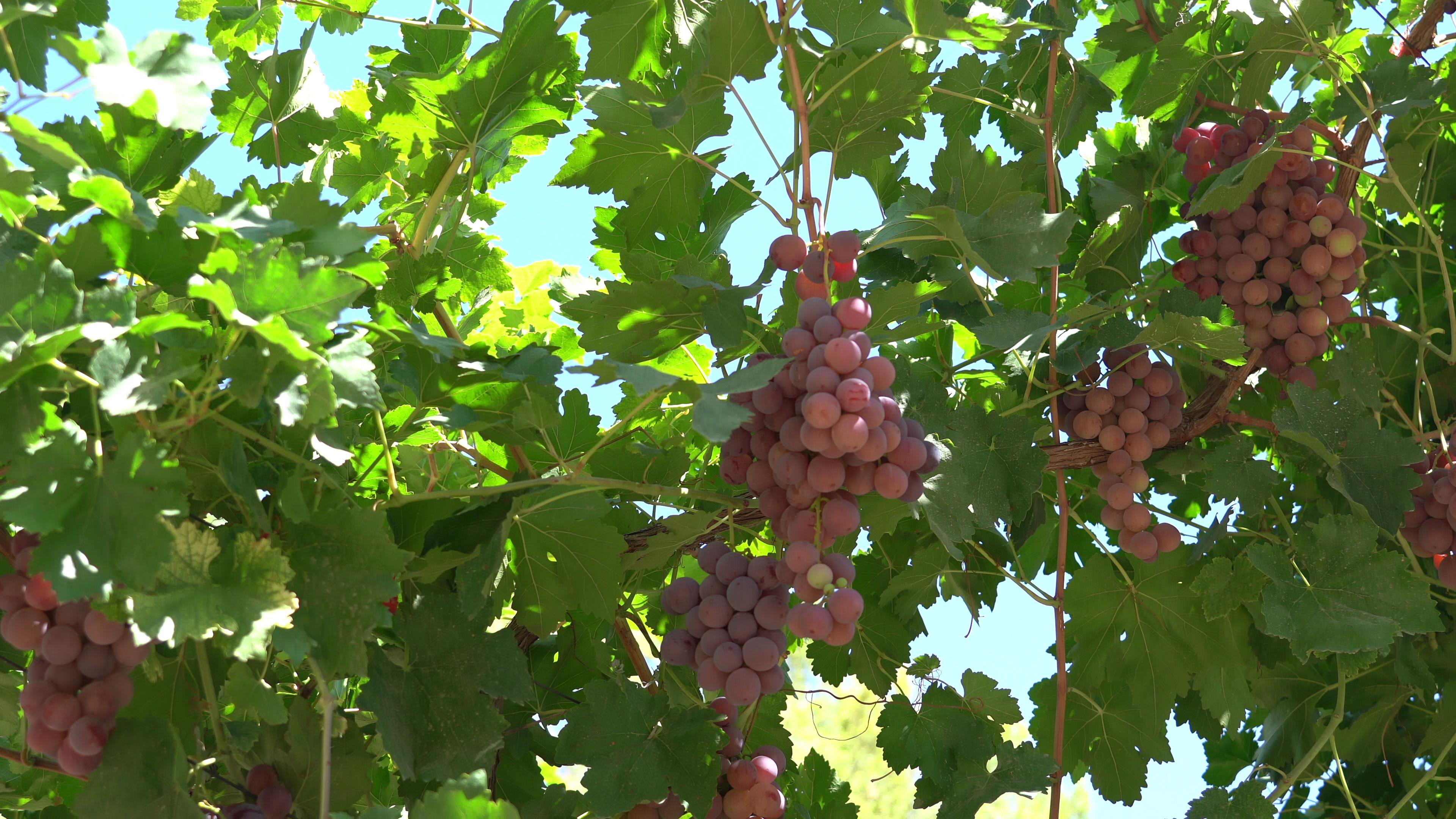
I. Detailed Route or Destination Introduction: A Symphony of History and ModernityEvening: Check into an Aksu hotel, taste Kuqa large naan and grilled meat.
【Day6: Aksu—Kashgar】
Morning: Pass by Aksu Apple Orchard (picking experience available September-October), taste sugar-hearted apples.
Afternoon: Arrive in Kashgar, tour Kashgar Old City, and photograph intangible cultural heritage skills such as blacksmithing and pottery making on Artisan Street.
Evening: Participate in the Old City opening ceremony (10:00), watch traditional dance performances of various ethnic groups.
【Day7: Kashgar—Pamir Plateau】
All day: After obtaining the border pass, head to Baisha Lake and Karakul Lake, gazing at Muztagh Ata (elevation 7,546 meters).
Evening: Arrive in Tashkurgan County, check into an oxygen-supplied hotel, and taste yak meat hot pot.
【Day8: Tashkurgan—Kashgar—Return】
Morning: Tour the Stone City and Golden Grassland, photograph the sunrise over the plateau wetlands.
【Hetian Museum】—An “Encyclopedia” of Western Regions CivilizationAfternoon: Return to Kashgar, free activity according to flight time; recommended visit to Xiangfei Garden (ticket 30 yuan).
III. Price Explanation: Transparent Consumption, No Hidden Tricks
According to 2026 market research, the per-person cost range for an 8-day cultural tour of Southern Xinjiang is 4,200 yuan to 6,800 yuan, with specific prices fluctuating due to the following factors:
Accommodation Standard: A combination of comfort hotels (three-star) and characteristic guesthouses. If upgrading to four-star hotels, add 600 yuan to 1,000 yuan per person.
Transportation: A 19-seat air-conditioned tour bus is used throughout. If choosing a 7-seat business vehicle, add 400 yuan per person.
Meals Included: Includes 7 breakfasts and 6 main meals (main meal standard 40 yuan/person); other meals are self-arranged, and local night markets are recommended.
Tickets Included: First admission tickets to core attractions such as Hetian Museum (free), Yotkan Ancient City, Damagou Buddhist Temple Ruins, Wensu Grand Canyon, and Kizil Thousand Buddha Caves.
Special Experiences: Etles silk tie-dyeing experience, desert off-roading, yak meat hot pot, and other items have no additional charges.
IV. Registration Method: Professional Team Customized Service
Registration is available through Xinjiang Pathfinder International Travel Agency. The process is as follows: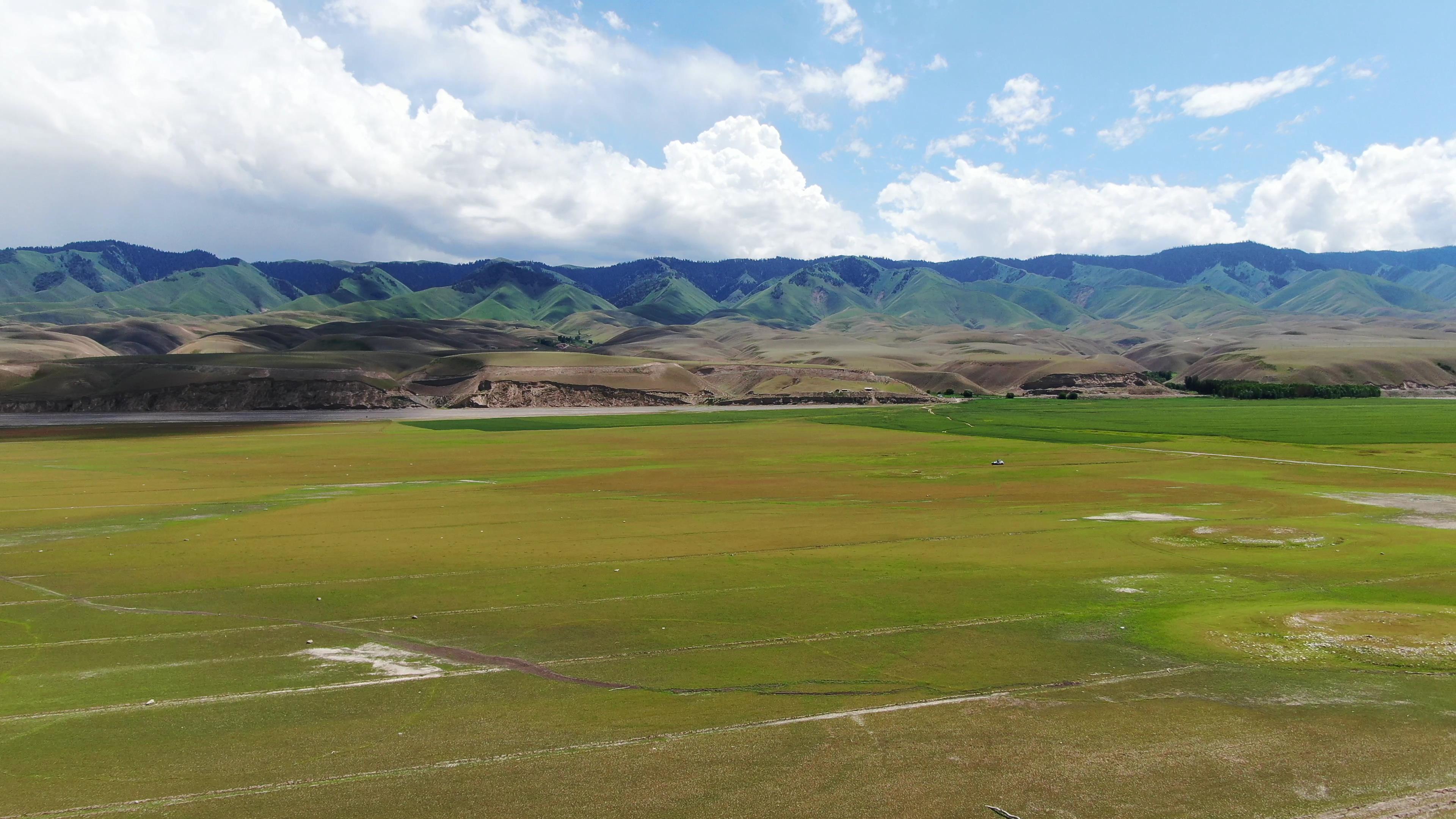
As one of the larger prefecture-level museums in Xinjiang, the Hetian Museum houses over 9,000 cultural relics, covering stone tools, jade, pottery, silk, and folk artifacts of various ethnic groups. The permanent exhibition “Hetian Historical and Cultural Display,” upgraded in 2026, systematically presents Hetian’s history from the Paleolithic Age to modern times under three major themes: “Jade Soul and National Lifeline,” “Silk Road Crossroads,” and “Civilization Blending.” The museum’s treasured “Hetian Jade Cutting Tools” reveal the wisdom of ancient jade-carving craftsmanship, while the “Five Stars Rise in the East, Benefiting China” brocade arm guard (replica) unearthed from the Niya ruins witnesses the close ties between the Central Plains and the Western Regions during the Han and Jin dynasties.Call customer service manager Zhang Jing to provide the number of people, dates, and special needs (such as photography guides and age-friendly services for elderly groups);
Confirm the tour date and room availability, and pay a deposit of 2,000 yuan/person;
Pay the balance and receive the departure notice to begin the Southern Xinjiang journey.
V. Cost Explanation and Service Explanation
Cost Includes: Transportation is by licensed tourism vehicles (including seat insurance); accommodation is a combination of three-star standard hotels and characteristic guesthouses; meals include main meals; tickets are all first admission tickets in the itinerary; services include a bilingual guide and a 24-hour emergency support team.
Service Highlights: Each group is equipped with a basic medical kit, and luggage is stored in a dedicated vehicle throughout; daily Xinjiang specialty snacks (naan, roasted buns, etc.) are provided; professional photography time is arranged at key attractions.
Notes: For single-person registration, we will try our best to coordinate room sharing; special circumstances require separate negotiation; additional costs caused by force majeure factors (such as weather and road conditions) shall be borne by tourists; specifics are subject to actual consultation and signing, and prices may fluctuate with departure dates.
VI. Pre-Trip Tips: Cultural Etiquette and Equipment Suggestions
Cultural Etiquette: Visitors should wear clothing that covers the knees when visiting, and must obtain consent before taking photos with local residents; when accepting home visits, receive tea offered by the host with both hands, and eat yak meat pilaf from right to left.
Equipment Suggestions: There is a large temperature difference between day and night, so it is recommended to bring a windbreaker, sun protection items, and comfortable hiking shoes; desert areas are windy and sandy, so sunglasses and scarves are needed; warm clothing is needed for autumn visits, and red or white clothing is recommended for photographing populus euphratica forests.
Photography Guide: Wensu Grand Canyon is recommended for morning photography when the light is soft; Artisan Street in Kashgar Old City has afternoon light suitable for portraits; Pamir Plateau lakes are recommended for early morning photography to avoid crowds.
The charm of Southern Xinjiang lies in the civilized scroll it weaves together with deserts, snow mountains, ancient cities, and all ethnic groups. Through the professional services of Xinjiang Pathfinder International Travel Agency, you can enjoy the flexibility of independent travel while gaining the security of group tours. It is recommended to consult at least 15 days in advance to secure quality vehicles and guide resources, and begin a Southern Xinjiang cultural journey without regrets!