
Southern Xinjiang Group Tour Recommendations 2026 New Tour, Kashgar Departure 11 Day Southern Xinjiang Photography Small Group Recommended Route Price
A Symphony of Galaxies and Snow Mountains:2026 11-Day In-Depth Southern Xinjiang Photography Tour Guide Departing from Kashgar
I. Core Highlights of the Route: A Double Feast of Light and Shadow and Culture
[Natural Scenery] The Pamir Plateau in Southern Xinjiang is known as the “Plateau of Plateaus,” bringing together diverse landforms such as snow mountains, glaciers, lakes, wetlands, and deserts. Muztagh Ata is snow-capped year-round at an altitude of 7,546 meters; at dusk, the scene of the snow mountain and Karakul Lake framed together is a “classic shot” in the hearts of photography enthusiasts. The water of Baisha Lake appears Tiffany blue due to minerals, forming a strong contrast with the white sand mountains; the reflection on the lake surface at sunrise and the sand mountain textures in the afternoon are simply superb to photograph. The Panlong Ancient Road’s more than 600 S-shaped bends coil through the mountains like a giant dragon, offering tremendous visual impact from an aerial perspective; from the highest point of the bends, you can capture the layered sense of the winding mountain road and the distant snow mountains.
[Cultural Experience] The itinerary goes deep into areas where various ethnic groups live and arranges multiple home visits and folk activities. In Tashkurgan County, you can experience the traditional clothing of people of all ethnic groups, watch eagle dance performances, and participate in handicraft making. The opening ceremony of Kashgar Old City is held every day at 10:30 a.m.; amid drum music, performers dressed in the clothing of various ethnic groups sing and dance, making it an excellent moment for shooting major cultural photographs. The Sunday livestock market is the most lively scene in Southern Xinjiang; local people of all ethnic groups and vendors “bargain inside their sleeves” amid the dust, and this living inheritance of a millennium-old nomadic tradition provides rich material for documentary photography.
[Starry Sky Photography] Taheman Wetland is certified as an “Outstanding Dark Sky Reserve in Western China”; the Milky Way arch is clearly visible in summer, and the Orion Nebula shines brilliantly in winter. The itinerary arranges professional starry sky instructors who provide equipment debugging, parameter setting, and composition guidance services, and supports SLR camera rental and time-lapse photography equipment, helping you shoot light-pollution-free Milky Way masterpieces.
II. Simple Itinerary: 11 Days of Immersive Creation
[Day 1:Kashgar Gathering · First Exploration of the Old City]
Afternoon: Arrive in Kashgar, meet by dedicated staff, and check into a downtown hotel. For free time, we recommend strolling through Kashgar Old City and photographing the dome of the Id Kah Mosque and the lively atmosphere of century-old teahouses. The alleys in the old city crisscross, and the earthen architecture complex blends Han and Tang dynasty and ancient Roman influences with the characteristics of modern life of people of all ethnic groups, making it an ideal scene for humanistic documentary photography.
Evening:Itinerary briefing, distribution of photography guides and permit application instructions. Permits are recommended to be obtained free of charge at the public security bureau in your place of household registration before departure; if you choose to apply for it in Kashgar instead, reserve half a day.
[Day 2:Kashgar → Oytak Red Mountain → Baisha Lake]
Morning:Travel along the China-Pakistan Friendship Highway and photograph the Danxia landform of Oytak Red Mountain. The red mountain bodies form a sharp contrast with the green vegetation, and drone aerial photography can capture the layering of mountain textures and river courses.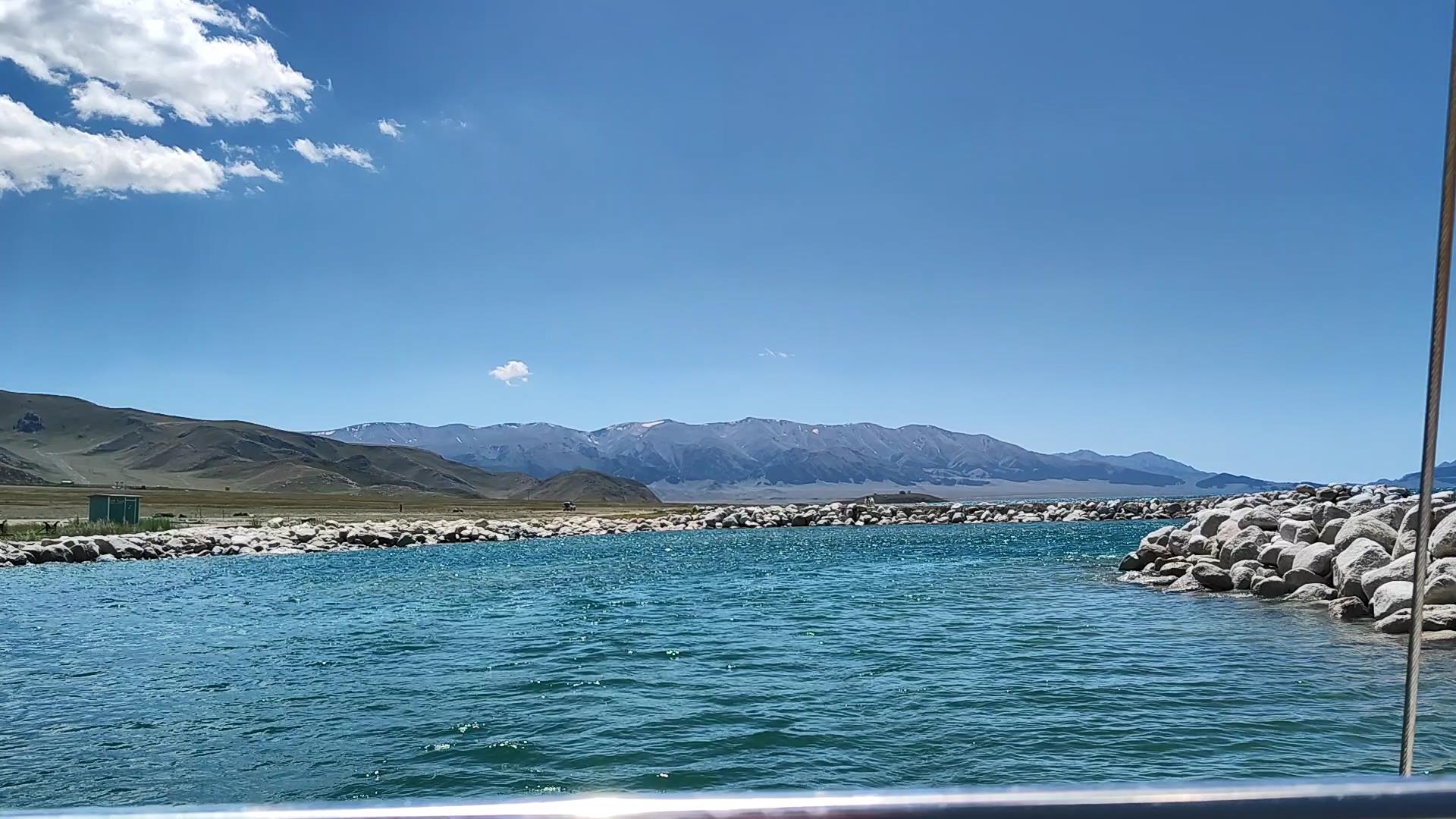
A Symphony of Galaxies and Snow Mountains: 2026 11-Day In-Depth Southern Xinjiang Photography Tour Guide Departing from KashgarAfternoon:Arrive at Baisha Lake and shoot freely for 1.5 hours. There are viewing platforms and wooden boardwalks by the lake for framing from multiple angles. Traditional leather boats of various ethnic groups can be rented by the lake to add storytelling to the images. Shooting suggestions: shoot the lake reflection at sunrise, and use side light in the afternoon to highlight the sand mountain textures.
Accommodation:Oxygen-supplied hotel in Tashkurgan County to relieve altitude sickness. The hotel is equipped with oxygen cylinders and first-aid kits, and the guide will adjust the shooting pace according to tourists’ physical conditions.
[Day 3:Tashkurgan → Muztagh Glacier Park → Tashkurgan]
Morning:Head to Muztagh Glacier Park and take the shuttle bus to the viewing platform at an altitude of 4,500 meters to photograph glacier crevasses and ice pagoda forests. A wide-angle lens can capture the full view of the glacier, while a telephoto lens can compress the sense of space and highlight glacier details.
Afternoon: Return to Tashkurgan, free time or starry sky photography. The plateau area has little light pollution and is an ideal place for photographing the Milky Way. The starry sky instructor will guide the use of tripods, shutter release cables, and other equipment, setting aperture f/2.8, ISO 3200-6400, and shutter speed according to the “400 rule” (400 ÷ lens focal length).
[Day 4:Tashkurgan → Stone City → Golden Grass Beach → Panlong Ancient Road]
Morning:Photograph the Stone City ruins and Golden Grass Beach wetland, using morning mist to create a hazy atmosphere. Stone City was an important post station on the Silk Road; the ruined walls and distant snow mountains create a dialogue between history and nature.
Afternoon:Head to Panlong Ancient Road and stop for 3 hours of shooting. The team provides reflectors, tripods, and other auxiliary equipment, and arranges models to cooperate in creation. Shooting suggestions: use a drone for high-altitude overhead shots, or shoot the winding mountain road from the highest point of the bends.
[Day 5:Tashkurgan → Bandir Blue Lake → Villages of Various Ethnic Groups]
Morning:Photograph Bandir Blue Lake; the water appears deep blue due to minerals and forms a warm-cold contrast with the surrounding snow mountains. A polarizing filter can reduce reflections on the lake surface and highlight the water color.
Afternoon:Head to villages of various ethnic groups and experience ethnic clothing, eagle dance, and handicraft making. During shooting, the guide will assist with communication and make every effort to respect local customs. Shooting suggestions: use a large-aperture lens to blur the background and highlight facial expressions and action details.
[Day 6:Tashkurgan → Wakhan Corridor → Muji Crater]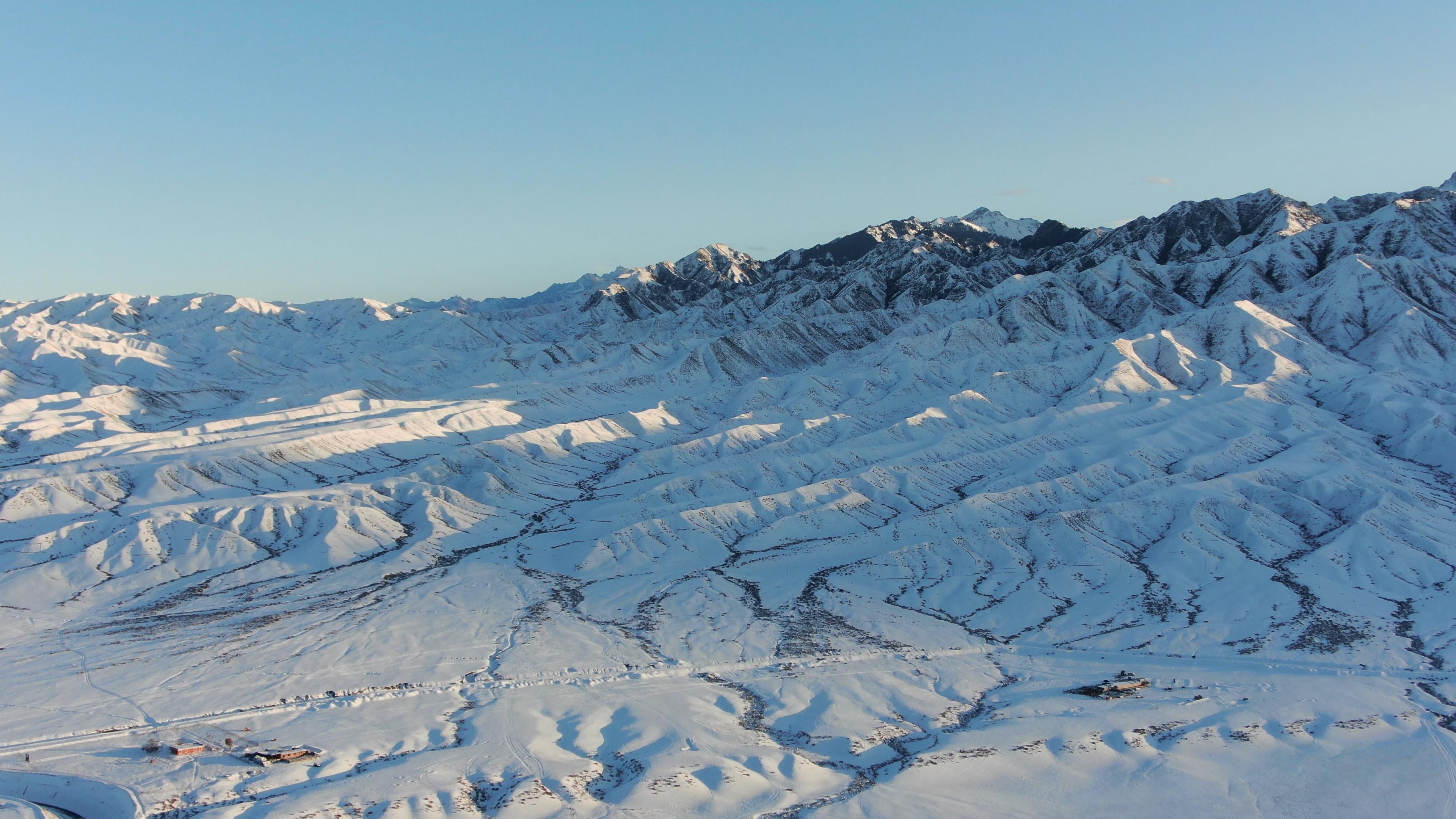
I. Core Highlights of the Route: A Double Feast of Light and Shadow and CultureMorning:Photograph the border landscape at the tri-border junction of the Wakhan Corridor and record landmark geographical scenes. Because this involves a border area, permits must be obtained in advance, and relevant regulations must be observed during shooting.
Afternoon:Head to Muji Crater and photograph the “Eye of the Pamirs” volcanic landform. There are glaciers and wetlands around the crater, allowing you to capture the wonder of ice and fire blending. Shooting suggestions: use a wide-angle lens to capture the full view of the volcano and a telephoto lens to shoot crater details.
[Day 7:Muji → Kashgar]
Morning:Free time; you may go to the Kashgar Grand Bazaar to buy handicrafts as photography props. The Grand Bazaar is the largest international trade market in Xinjiang; copperware, carpets, Atlas silk, and other goods are rich in color, making it an ideal scene for still-life photography.
Afternoon:Dedicated airport transfer and end of the itinerary.
[Days 8 to 11:Alternative Itinerary (subject to change according to season and team needs)]
If the team chooses to extend the itinerary, the following can be added:
Day 8: Kashgar → Amannisahan Mausoleum in Yarkant → Zero Kilometer Monument of the Xinjiang-Tibet Highway → Hotan. Visit the mausoleum of the compiler of the Twelve Muqam and learn about the history of this world intangible cultural heritage. The Zero Kilometer Monument of the Xinjiang-Tibet Highway is a check-in spot for cycling heroes, where you can photograph the monument and distant snow mountains in the same frame.
Day 9:Hotan → Desert Highway → Taklamakan Desert. Photograph the desert sunrise in the early morning, then cross the Desert Highway in the afternoon and photograph the combination of sand ridges and populus euphratica forests. If dusty weather occurs, add a dust cover to the camera, and fly drones according to scenic area regulations.
Day 10:Taklamakan Desert → Luntai Populus Euphratica Forest. Photograph the world’s largest primeval populus euphratica forest; mid-to-late October is the best viewing period, with golden reflections like an oil painting. You can tour the scenic area by horse-drawn carriage and choose suitable shooting spots.
Day 11:Luntai → Korla → Urumqi. On the return journey, enjoy the gobi scenery on the southern slopes of the Tianshan Mountains; arrive in Urumqi in the evening and connect to a return flight that night.
III. Price Description: Transparent Consumption, No Hidden Traps
[Natural Scenery] The Pamir Plateau in Southern Xinjiang is known as the “Plateau of Plateaus,” bringing together diverse landforms such as snow mountains, glaciers, lakes, wetlands, and deserts. Muztagh Ata is snow-capped year-round at an altitude of 7,546 meters; at dusk, the scene of the snow mountain and Karakul Lake framed together is a “classic shot” in the hearts of photography enthusiasts. The water of Baisha Lake appears Tiffany blue due to minerals, forming a strong contrast with the white sand mountains; the reflection on the lake surface at sunrise and the sand mountain textures in the afternoon are simply superb to photograph. The Panlong Ancient Road’s more than 600 S-shaped bends coil through the mountains like a giant dragon, offering tremendous visual impact from an aerial perspective; from the highest point of the bends, you can capture the layered sense of the winding mountain road and the distant snow mountains.[Price Range] For the 2026 11-day Southern Xinjiang small-group photography tour, the price range is 7,800 to 10,800 yuan per person, with specific costs fluctuating according to the following factors:
Travel Time:Summer vacation (July-August) and the National Day Golden Week are peak seasons, with prices rising 15%-20%; shoulder seasons (April-June, September-October) offer better value for money.
Accommodation Standard:Economy tours stay in comfortable hotels with breakfast included; quality tours are upgraded to four-diamond hotels or characteristic old-town guesthouses, including main meals and travel photography services.
Photography Services:Basic tours provide regular shooting locations; high-end tours add drone aerial photography, professional model cooperation, and post-processing retouching services.
[Cost Includes]
Full Itinerary Transportation:7-seat business vehicle or 9-seat minibus, equipped with oxygen cylinders and first-aid kits.
Accommodation:10 nights in quality hotels; in Tashkurgan, oxygen-supplied rooms are prioritized.
Tickets:First admission tickets and shuttle buses for Baisha Lake, Karakul Lake, Muztagh Glacier Park, Stone City, etc.
Meals:10 breakfasts + 6 main meals (including 3 specialty meals, such as people of all ethnic groups’ hand-grabbed rice and Kashgar pigeon soup).
Insurance:Travel accident insurance and travel agency liability insurance.
Services:Professional photography tour leader + local cultural interpreter.
[Cost Excludes]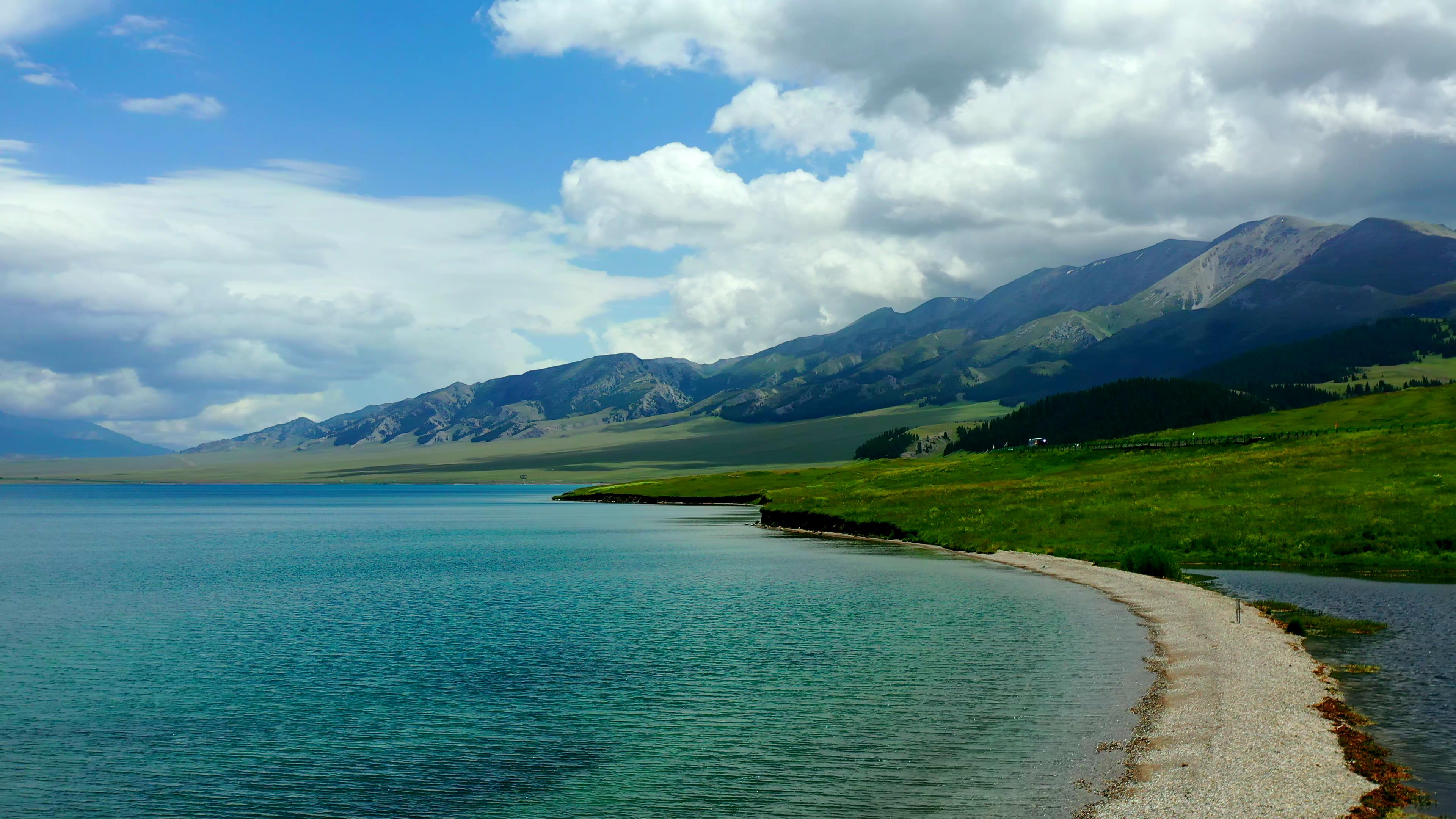
[Cultural Experience] The itinerary goes deep into areas where various ethnic groups live and arranges multiple home visits and folk activities. In Tashkurgan County, you can experience the traditional clothing of people of all ethnic groups, watch eagle dance performances, and participate in handicraft making. The opening ceremony of Kashgar Old City is held every day at 10:30 a.m.; amid drum music, performers dressed in the clothing of various ethnic groups sing and dance, making it an excellent moment for shooting major cultural photographs. The Sunday livestock market is the most lively scene in Southern Xinjiang; local people of all ethnic groups and vendors “bargain inside their sleeves” amid the dust, and this living inheritance of a millennium-old nomadic tradition provides rich material for documentary photography.Round-Trip Major Transportation:Airline or train tickets must be purchased by yourself.
Personal Expenses:Meals, photography equipment rental, permit processing fees, etc.
:For single applicants, we will make every effort to arrange room sharing; if this cannot be achieved, a price difference must be paid, with the specific amount subject to the contract.
[Important Notice] Prices and remaining slots are subject to the contract or customer service confirmation and may fluctuate with departure dates; the signed contract by both parties shall prevail.
IV. Registration Method: Professional Service, Worry-Free Travel
You can register through Xinjiang Pathfinder International Travel Agency and need to provide the following information:
Name + valid ID number (for purchasing insurance)
Contact information (limited emergency contact recommended)
Special equipment needs (such as tripods, filters, etc.)
Pay a 50% deposit when signing the contract and pay the balance 15 days before departure. Specific details are subject to actual consultation and signing.
V. Cost Description and Service Description: Detail Guarantee, Peace of Mind in Creation
[Cost Description]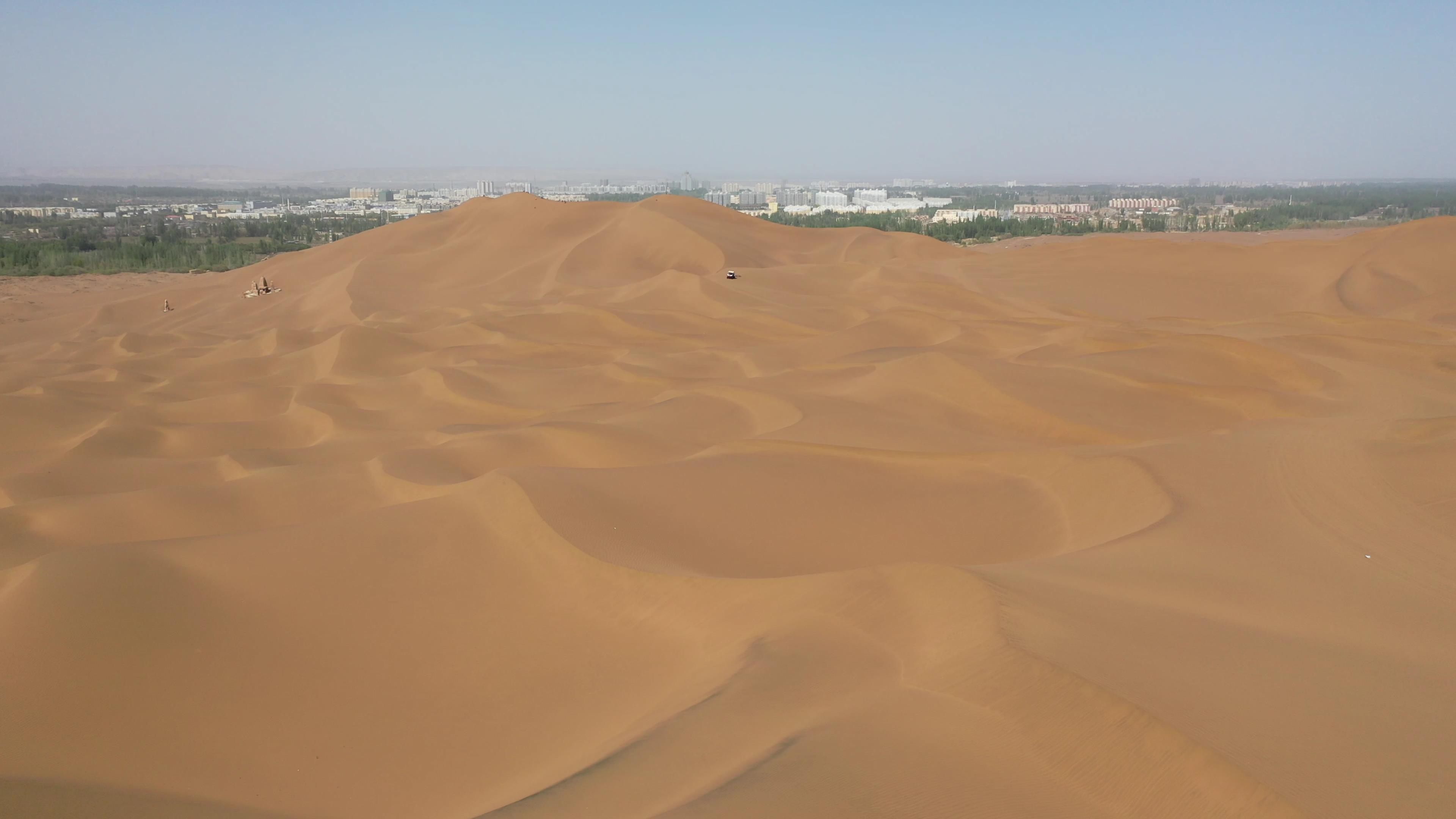
[Starry Sky Photography] Taheman Wetland is certified as an “Outstanding Dark Sky Reserve in Western China”; the Milky Way arch is clearly visible in summer, and the Orion Nebula shines brilliantly in winter. The itinerary arranges professional starry sky instructors who provide equipment debugging, parameter setting, and composition guidance services, and supports SLR camera rental and time-lapse photography equipment, helping you shoot light-pollution-free Milky Way masterpieces.Vehicles:Regular tourism operating vehicles throughout the journey; drivers are familiar with Southern Xinjiang road conditions and have plateau driving experience.
Meals:Main meals focus on specialty dishes of various ethnic groups, such as Kashgar baked buns, Tashkurgan yak hot pot, and Hotan roasted eggs, catering to different taste needs.
Photography Support:High-end tours are equipped with professional photography tour leaders who provide guidance on composition, lighting, and post-processing color grading to help produce great photos.
[Service Description]
Plateau Adaptation:Tashkurgan is at an altitude of about 3,200 meters; the itinerary arranges oxygen-supplied hotels and oxygen cylinders, and the guide will adjust the shooting pace according to tourists’ physical conditions.
Weather Response:In case of severe weather or policy changes, the itinerary may be reasonably changed after mutual agreement between the two parties, with every effort made to ensure photography quality.
Respect Customs:Before photographing people of various ethnic groups, obtain their consent; when entering folk culture venues, observe dress and behavior norms.
VI. Pre-Departure Preparation: Details Determine the Experience
[Documents] Valid ID, permit (recommended to be obtained free of charge at the public security bureau in your place of household registration before departure, filling in “Tashkurgan County, Kashgar Prefecture, Xinjiang”).
[Clothing] The plateau area has a large temperature difference between day and night, so bring windproof jackets and thermal underwear; when shooting cultural subjects, light-colored clothing can be prepared to avoid clashing with the background.
[Photography Equipment] Wide-angle lens (for large scenes), telephoto lens (to compress spatial sense), tripod (for slow-shutter shooting), polarizing filter (to reduce reflections), spare batteries (low temperatures drain power quickly).
[Other Items] High-SPF sunscreen, moisturizing skincare products, personal commonly used medicines, thermos bottle.
Every frame on the Pamir Plateau is a dialogue between light and shadow and time. The 2026 11-day Southern Xinjiang small-group photography tour, with professional services and in-depth experiences, helps you capture the shock and tenderness of this land. For specific itinerary details and prices, please consult Zhang Jing, customer service manager of Xinjiang Pathfinder International Travel Agency.